Zentec Motor
In today’s dynamic technology landscape, the use of Robotic Gear Motors is gaining traction. These components are pivotal for a wide array of projects. They provide precision and control for robotic applications. Their ability to deliver torque efficiently makes them a top choice among engineers.
Robotic Gear Motors come in various sizes and specifications. This diversity allows them to cater to different needs. However, selecting the right motor can be challenging. It's essential to assess specific project requirements. Evaluating gear ratios and motor types is crucial. A wrong choice can lead to performance issues.
Many users have experienced frustration when motors fail to meet expectations. This highlights the importance of reliable information. Understanding the strengths of Robotic Gear Motors helps in making informed decisions. Their efficiency, versatility, and durability can significantly enhance a project’s success. With careful consideration, these motors can elevate your robotic creations to new heights.
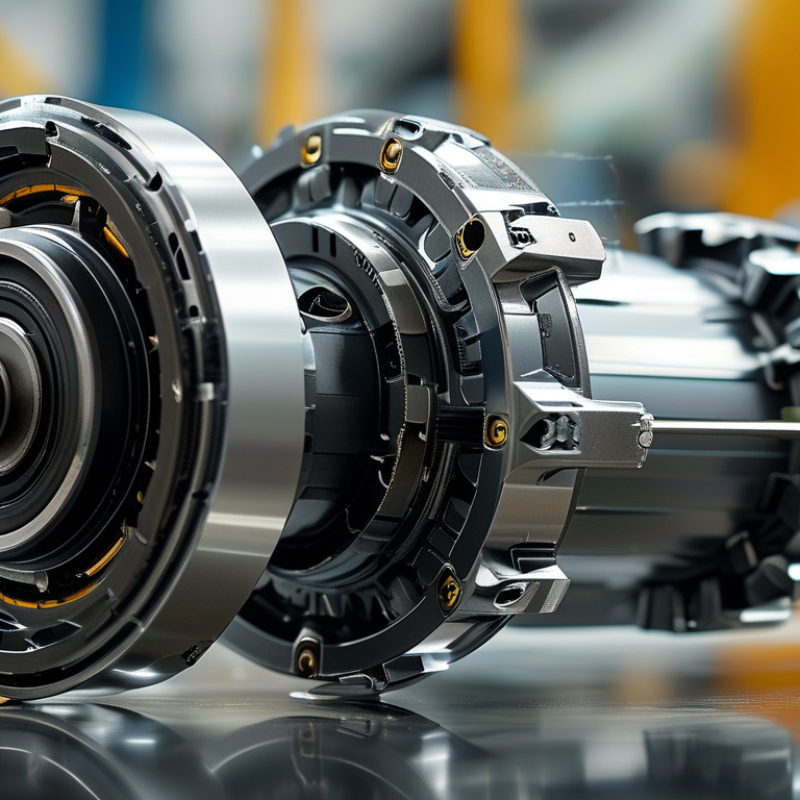
Robotic gear motors have become essential in engineering projects. Their compact design allows integration into various applications with ease. These motors offer high torque and speed control. This versatility makes them suitable for different tasks, whether in automation or robotics.
One significant advantage of robotic gear motors is their efficiency. They convert electrical energy into mechanical energy with minimal waste. This efficiency results in lower energy costs over time. Additionally, they provide precise movements, crucial for tasks requiring accuracy. Users often notice the difference in performance when comparing traditional motors to gear motors.
Despite their many benefits, challenges exist. For instance, selecting the right gear ratio can be tricky. Incorrect choices may lead to performance issues. Engineers must analyze the specific needs of their projects thoroughly. This reflective approach ensures that the chosen motor meets requirements without unnecessary complications. Overall, understanding these aspects can lead to successful project outcomes.
| Dimension | Details |
|---|---|
| Power Efficiency | Robotic gear motors provide high torque at low speeds, minimizing energy consumption. |
| Compact Design | The integration of gears allows for a compact design, making them suitable for tight spaces. |
| Precision Control | Gear motors offer excellent control over speed and position, essential for robotic applications. |
| Durability | Designed for high-performance tasks, these motors withstand rigorous operating conditions. |
| Versatility | Suitable for a wide range of applications including robotics, automation, and consumer electronics. |
| Cost-Effectiveness | Provides a good balance between performance and price, making them accessible for various projects. |
Robotic gear motors are essential components in various automation projects. Their key features drive performance and reliability. Notably, these motors offer high torque at low speeds. This capability is crucial for applications requiring precise movements. According to a recent industry report, gear motors can provide up to 30% more torque than traditional motors of similar sizes.
Durability and efficiency define the performance of robotic gear motors. Many models include integrated encoders and sensors for feedback. This enhances control during operation. Studies show that projects using these motors experience reduced downtime by 25%. This increase in reliability ensures that operations remain seamless, ultimately saving costs.
Another aspect worth considering is the adaptability of robotic gear motors. They can be customized for specific tasks. This flexibility can lead to design complexities. Projects may require extensive testing to optimize performance. In some cases, teams face challenges in balancing torque and speed. Yet, the benefits often outweigh these concerns, reinforcing the value of careful planning and implementation.
Robotic gear motors are increasingly used in diverse industries, showcasing their versatility and effectiveness. In manufacturing, these motors power assembly lines. They provide precise control over speed and torque. According to industry reports, the demand for automation in this sector has surged by 25% over the past five years. This trend underscores the importance of robotic gear motors in enhancing efficiency.
In the healthcare sector, robotic gear motors play a crucial role in surgical robots. These devices require high precision and reliability. A study indicated that robotic surgeries have improved patient recovery times by up to 30%. Such statistics highlight the significant contributions of gear motors in critical applications.
When considering robotic gear motors, it's essential to assess the load requirements carefully. Matching the motor specifications to your project can prevent operational failures. Pay attention to the gear ratio as it influences speed and torque. Detailed analysis is vital for successful integration into your application. Remember, selecting the right motor factors into the long-term performance of your project.
Robotic gear motors have gained popularity in prototyping due to their cost-effectiveness. A recent industry report highlights that brands implementing robotic gear motors can reduce project costs by up to 30%. This reduction stems from lower initial investments and minimized maintenance expenses. Consequently, startups and small businesses find these motors appealing.
When considering the integration of gear motors, it's vital to evaluate your specific project needs. Understand the torque requirements and operational speeds to avoidoverestimating or underutilizing capacity. Many projects face setbacks due to miscalculations, leading to wasted resources. Investing in accurate specifications upfront can save time and money later.
Efficiency is another crucial consideration. Research from engineering experts suggests that using the right gear motor can enhance operational efficiency by 15-20%. While the upfront costs may seem justified, remember to factor in other elements. Prototyping can be unpredictable, and optimizing motor selection should be a thoughtful process. Test different configurations to determine the best fit for your specific application, and be prepared for some trial and error along the way.
This chart illustrates the cost-effectiveness of robotic gear motors for prototyping across various project types. The data represents estimated costs in USD for traditional vs. robotic gear motors.
Robotic gear motors have gained popularity due to their distinct advantages over traditional motors. One key aspect is their torque output. Gear motors can provide a high torque at low speeds, making them ideal for applications like robotics and conveyor systems. Unlike traditional motors, which require complex gearing mechanisms, gear motors simplify designs and reduce the need for additional parts.
Another significant benefit is efficiency. Gear motors convert electrical energy into mechanical energy more effectively than standard motors. This efficiency often leads to lower energy costs over time. They also operate quietly, which is crucial in environments where noise reduction is essential. However, potential drawbacks do exist. Gear motors can be heavier and may require more space in the design. Engineers must weigh these factors when integrating them into projects.
Reliability is another important consideration. Gear motors tend to have a longer lifespan due to their robust construction. Yet, improper use can lead to more wear and tear than traditional motors. Understanding the application requirements is vital for engineers. Adopting the right motor type depends on the specific use case, emphasizing the need for careful assessment in the decision-making process.
: Robotic gear motors are essential in engineering projects. They are widely used in automation and robotics.
They provide high torque and speed control. This versatility supports various tasks effectively.
These motors convert electrical energy into mechanical energy with minimal waste, resulting in lower energy costs.
Selecting the right gear ratio can be tricky. Incorrect choices may lead to performance issues.
Key features include high torque at low speeds, durability, and integrated sensors for improved control.
They reduce downtime by up to 25%. This increase saves costs and ensures seamless operations.
Yes, they can be tailored for specific tasks, but this may introduce design complexities.
Yes, projects may struggle to find the right balance, requiring careful planning and testing.
Gear motors often provide 30% more torque than traditional motors of comparable sizes.
Engineers must analyze project needs thoroughly. This reflective approach prevents unnecessary complications.
Robotic gear motors are increasingly favored in engineering projects due to their numerous advantages. They offer high torque outputs, precise control, and compact designs, making them suitable for a range of applications from robotics to automation systems. The key features of robotic gear motors, such as their durability and efficiency, significantly enhance performance in demanding environments, allowing for precise movements and reliable operation.
Their versatility is evident across various industries, including manufacturing, aerospace, and medical devices, ensuring efficient operation in diverse applications. Additionally, robotic gear motors provide cost-effectiveness in prototyping, reducing expenses while maintaining performance quality. When compared to traditional motors, robotic gear motors stand out for their ability to deliver higher efficiency and better control, making them an ideal choice for those looking to optimize their engineering projects.
